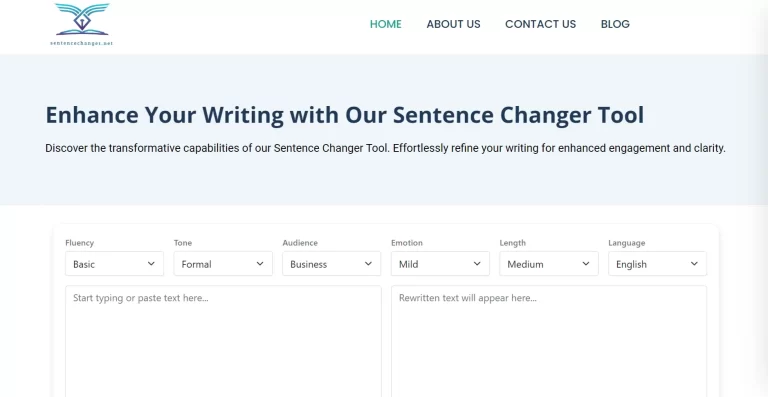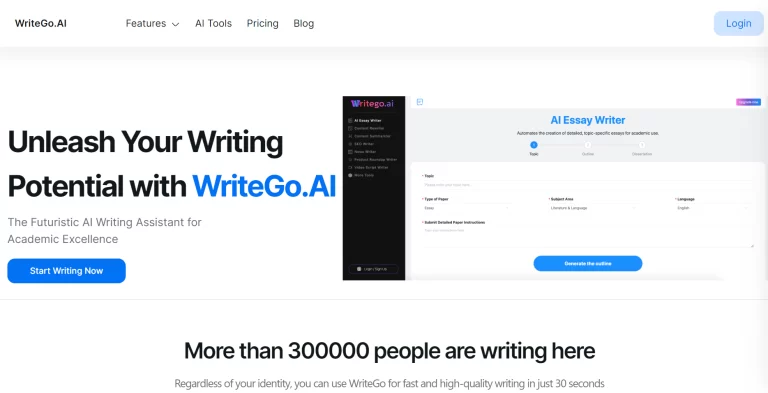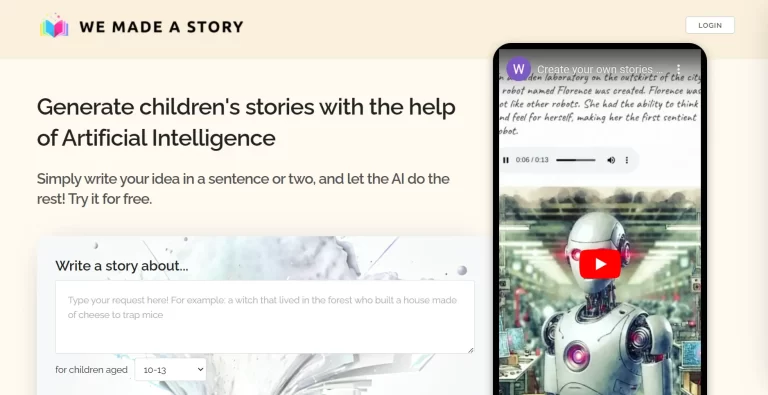

“AI writing tool” covers two completely different products that get reviewed as though they were one.
The first writes prose for you. The second removes chores around writing you were going to do anyway — formatting, blurbs, metadata, keyword research, cover concepts. The second category is uncontroversially useful. The first is where people get into trouble, and where most of the marketing is aimed.
So: six places AI genuinely helps a writer or self-publisher, and two where using it will cost you.
1. The blank page
Outlining, structuring, arguing with yourself about what a chapter is for. This is the strongest use and the least discussed, because it does not produce anything you ship.
An assistant that will interrogate your outline — why is this scene here, what changes because of it — is doing editorial work, and editorial work is expensive and hard to get. Free tiers handle this fine; you are having a conversation, not generating volume.
2. Metadata, blurbs and categories
The unglamorous half of self-publishing: the blurb, the keywords, the seven category slots, the A+ content, the ad copy.
This is genuinely tedious, genuinely important to discoverability, and something AI does well because it is pattern work with a known shape. If you use AI for exactly one thing in publishing, make it this.
The limit is the same one everywhere: AI writes plausible keywords, not measured ones. It has never seen search volume on the store you are publishing to. Use it to generate candidates, then check them against real data before you commit your seven slots.
3. Cover concepts
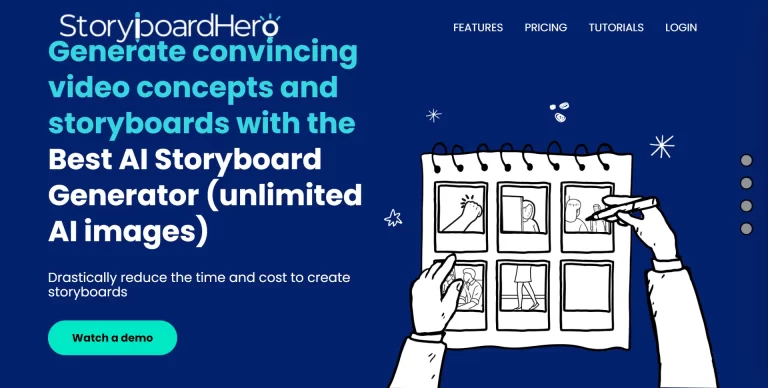
Image generation for cover concepts is excellent — you can see twenty directions in an hour and hand the winner to a designer with something concrete to react to.
Cover execution is a different matter. Typography is where generated images still fail most visibly, and a cover is mostly typography. The workflow that works is generate the art, set the type properly yourself or with a designer.
Same resolution warning as any print work: check the required dimensions before you fall in love with an image that will not print.
4. Low-content and structured books
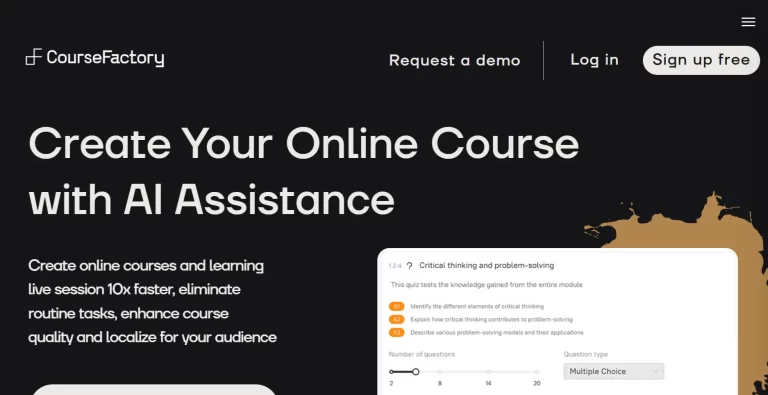
Journals, planners, workbooks, puzzle books. The format is repetitive by design, which is exactly what generation is for — interior layouts, prompt sets, page variations.
Worth being straight about the market: this category is saturated, and it saturated because it is easy. What sells is a specific format for a specific person, not another generic gratitude journal. AI makes production trivial, which means production is no longer the differentiator and never will be again.
5. Editing and consistency passes
Continuity checking, style consistency, catching the character whose eye colour changed in chapter nine. Mechanical, tiring, and AI is good at it — genuinely useful on a manuscript you wrote yourself.
6. Translation and audio
Two markets that used to be closed to small publishers.
Machine translation is now good enough to be a serious first draft, though it needs a native reader before publication. And synthetic narration has reached the point where an audiobook is a realistic option for a book that would never have justified a studio.
Check the platform’s rules first — disclosure requirements for AI narration differ by store and change.
Where it costs you
Writing the actual prose
Not a moral objection, a practical one. AI prose has a register — smooth, slightly over-explained, fond of certain constructions — and readers are learning to detect it. Reviews mentioning it are the most damaging kind, because they attack the reason someone would buy your next book.
For fiction especially, voice is the product. Generated prose is voiceless by construction: it is the average of everything, and the average is precisely what nobody is looking for.
Disclosure, which is not optional
The KDP-specific thing people find out too late: Amazon requires you to disclose AI-generated content at upload, distinguishes AI-generated from AI-assisted, and applies volume limits on submissions.
AI-assisted — you wrote it, AI helped edit or brainstorm — is treated differently from AI-generated. Get the declaration wrong and you risk the title, and potentially the account. Read the current policy before you upload rather than after.
The honest stack
Free, and enough for most writers: a general assistant for outlining, editing passes and blurb drafts. That is the majority of the value, at no cost, because none of it requires volume.
Worth paying for, if you publish regularly: image generation for covers and interiors, and a keyword tool that reports real store search data rather than plausible guesses.
Skip: anything selling you a finished manuscript. The bottleneck in publishing has never been producing words — it is producing words someone wants to read, and there is more of the first kind arriving every day.
Related
- All AI writing tools in the directory
- AI tools for print on demand — same resolution problem, different product